


Chilly Air, Flat Tires: Understanding Winter Pressure Drops
If you’ve ever walked out on a frosty morning to find your tire-pressure warning light glowing like a tiny, judgmental sun, you’re not alone. It’s one of the most common cold-weather car issues. But why exactly do tires lose pressure when temperatures drop — and what should you do about it?
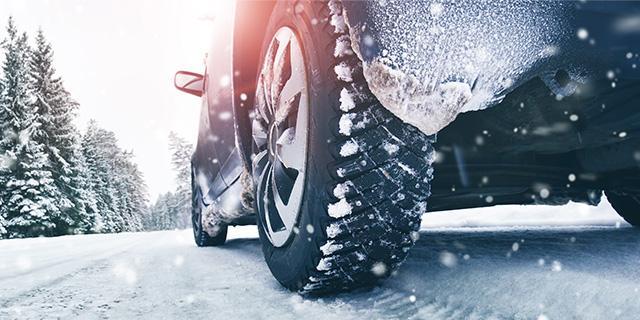
Why Tires Lose Pressure in Cold Temperatures
1. Air Contracts When It Gets Cold
Tires don’t mysteriously “leak” when the weather cools off. The cause is basic physics: air molecules move more slowly in lower temperatures, which means they take up less space. As a result, tire pressure drops by about 1 PSI for every 10°F decrease in temperature.
So, if your tires were perfectly inflated at 70°F and the temperature drops to 30°F overnight, you could easily see a 4–5 PSI loss.
2. Rubber Becomes Less Flexible
Cold weather stiffens the rubber compounds in your tires. While this doesn’t directly reduce pressure, it does make your tire seal points less flexible, which can expose minor leaks. If a tire already has a slow leak, cold weather will make the pressure drop more noticeable.
3. Seasonal Temperature Swings Amplify the Effect
In many regions, temperatures can shift 20–30°F between afternoon and early morning. These swings cause noticeable pressure fluctuations throughout the day, which is why your tire-pressure monitoring system (TPMS) might come on in the morning and turn off again in the afternoon.
Why Proper Tire Pressure Matters (Even More in Winter)
Maintaining correct pressure isn’t just about avoiding dashboard lights. When your tires are under-inflated, especially in winter, you face:
-
Reduced fuel efficiency
Flat-ish tires create more rolling resistance, which makes your engine work harder. -
Worse traction on snow and ice
Under-inflation increases the tire’s contact patch unevenly, reducing grip when you need it most. -
Longer stopping distances
Not ideal on a slick winter road. -
Higher risk of tire damage
Under-inflation can cause sidewall flexing, overheating (yes, even in cold weather), or premature wear.
Cold-Weather Tire Maintenance: What You Should Do
1. Check Tire Pressure Monthly — and Anytime Temperatures Drop Sharply
Most car manufacturers recommend checking tire pressure at least once a month, but in winter, every two weeks is even better. Remember to:
-
Check pressure when the tires are cold (before driving or after sitting for 3+ hours).
-
Inflate to the pressure listed on the driver’s door frame sticker, not the number on the tire sidewall.
2. Add Air as Needed
If you see your tire pressure warning light, don’t ignore it. Add air to bring the pressure back to the recommended PSI. It’s normal to need occasional top-offs throughout the winter.
3. Inspect for Slow Leaks
Cold weather often makes pre-existing slow leaks more noticeable. Look for:
-
Embedded nails or screws
-
Valve stem cracks
-
Rim corrosion
-
Bead leaks on older tires
If in doubt, have a tire shop check it.
4. Consider Switching to Winter Tires
Winter tires stay softer and more flexible in cold temperatures, improving traction and braking. They also hold pressure more consistently in very cold weather due to their rubber compounds.
5. Don’t Forget the Spare
If your car has a spare (many don’t these days), it also loses pressure with the temperature. Check it at least once per season.
The Bottom Line
Colder weather naturally causes tire pressure to drop — it’s physics, not a problem with your car. But maintaining the proper pressure is essential for safety, fuel efficiency, and tire longevity, especially when the roads get icy.
A few quick checks throughout the winter can keep your tires healthy, your car running smoothly, and your dashboard blissfully warning-light-free.
0 comment(s) so far on Chilly Air, Flat Tires: Understanding Winter Pressure Drops